Project Pace 32-Inch | Chapter 1: The Aluminum Prototype
A new wheel size. Many unanswered questions. Developing a 32-inch race bike doesn’t start with the question of what the finished bike should look like. It starts with a question from the world of cross-country racing: What potential do larger wheels hold—and what are their limits? With this project, we don’t just want to develop a new bike; we want to make the entire journey visible. From the initial ideas through the various prototypes to the insights gained from test rides: We’ll take you along step by step and show you how the project is evolving.

Chris Evers
5 November 2026
Why 32-inches?
We want to understand what possibilities larger wheels open up in XC racing and whether this could lead to a meaningful new approach for our racing platforms. At the same time, 32-inch wheels are a topic that’s on the industry’s mind and sparking differing opinions. For us, that’s reason enough to take a closer look, develop our own solutions, and address the open questions beyond mere theoretical discussion. An important part of this is development and manufacturing in Switzerland. The physical proximity between engineering, assembly, and testing enables short lines of communication and quick response times. This allows insights from real-world use to be directly incorporated into the next stage of development. Our goal is not to call 29-inch wheels into question. We want to find out what potential 32-inch wheels have—and what role this size could actually play.
It's not an “either/or” situation.
The 29-inch wheel is well-established in cross-country and remains the benchmark against which we measure ourselves. So why develop a new wheel size?
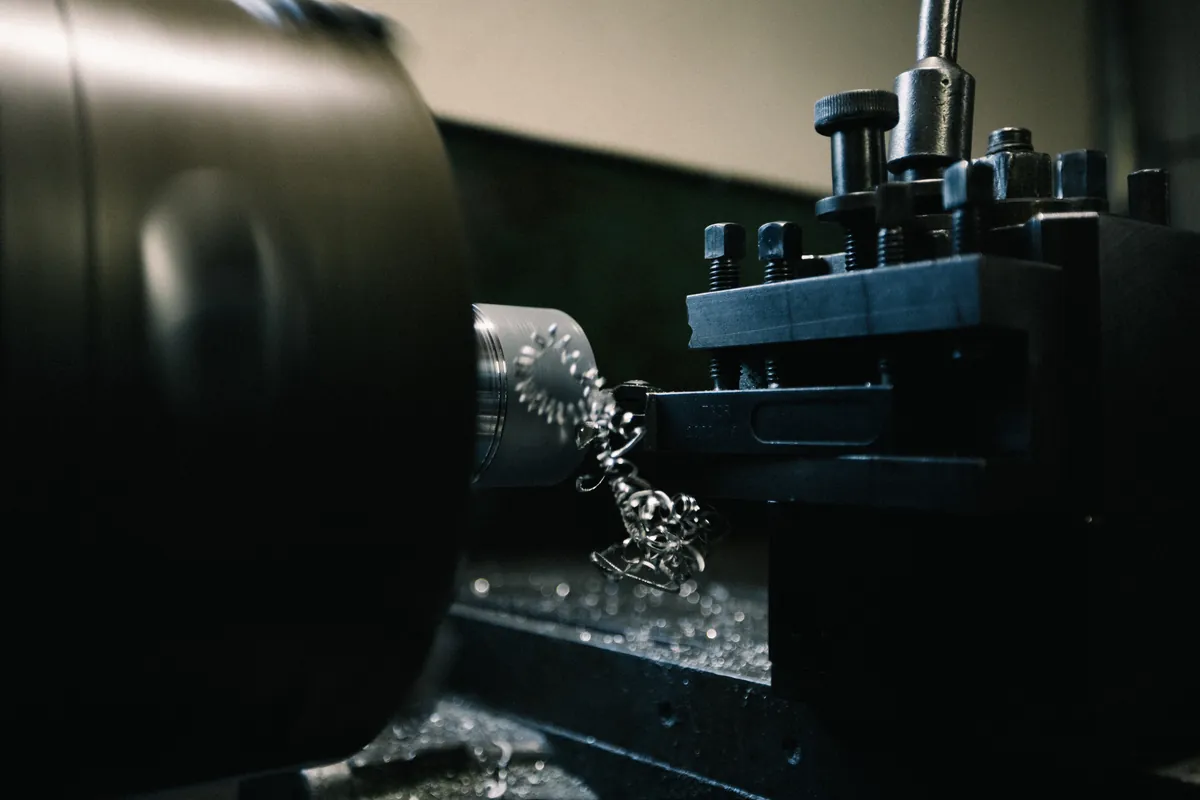
Craftsmanship that turns ideas into bikes.
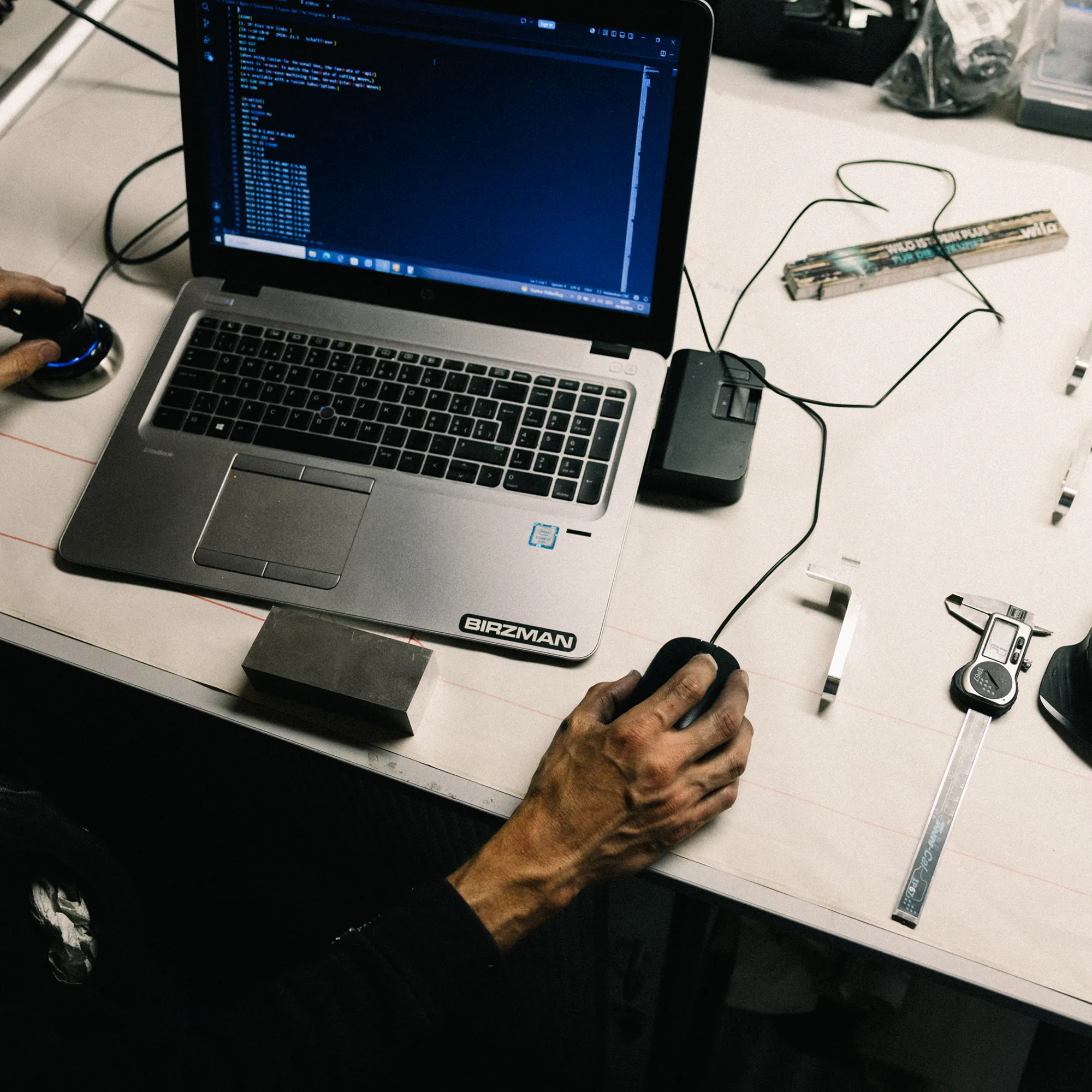
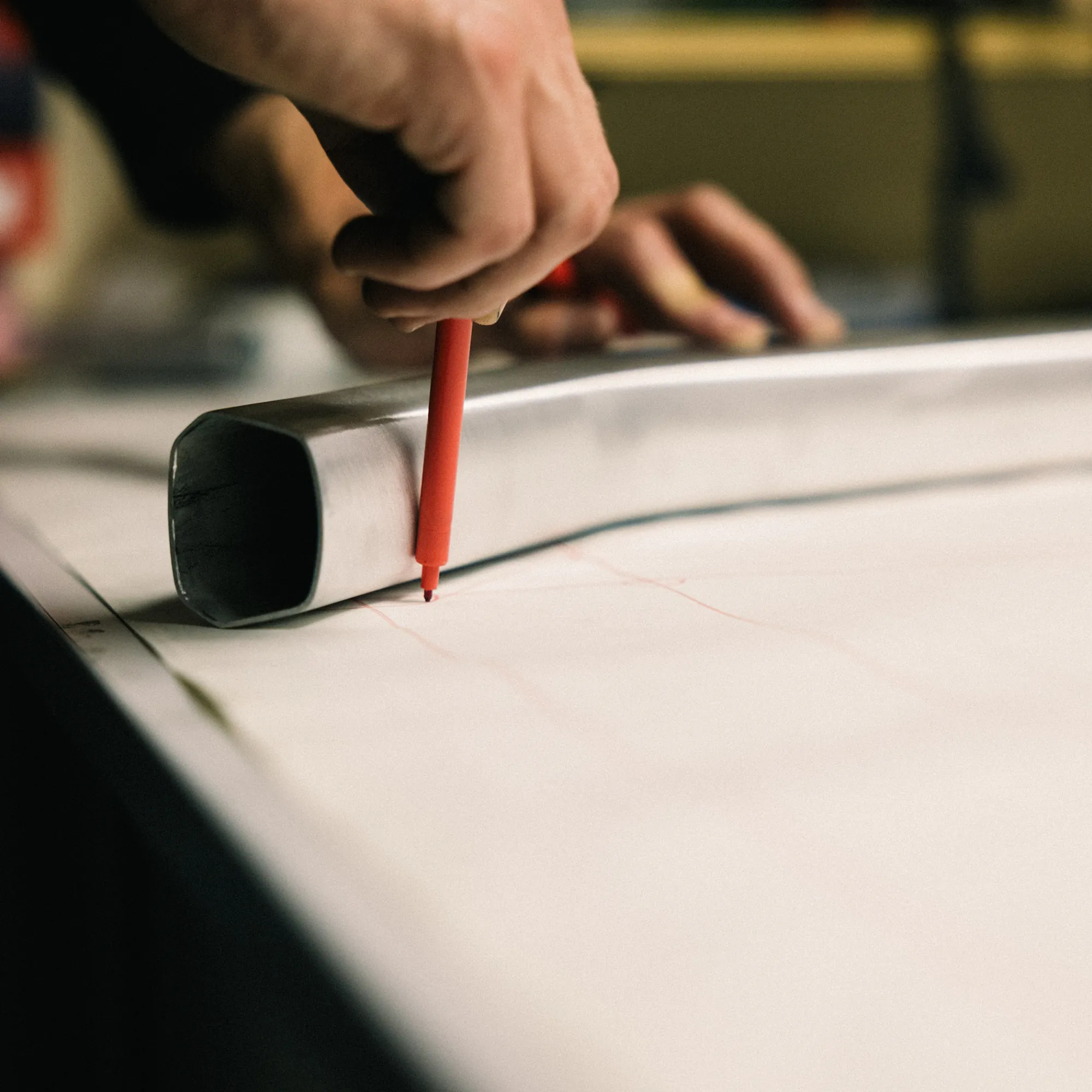
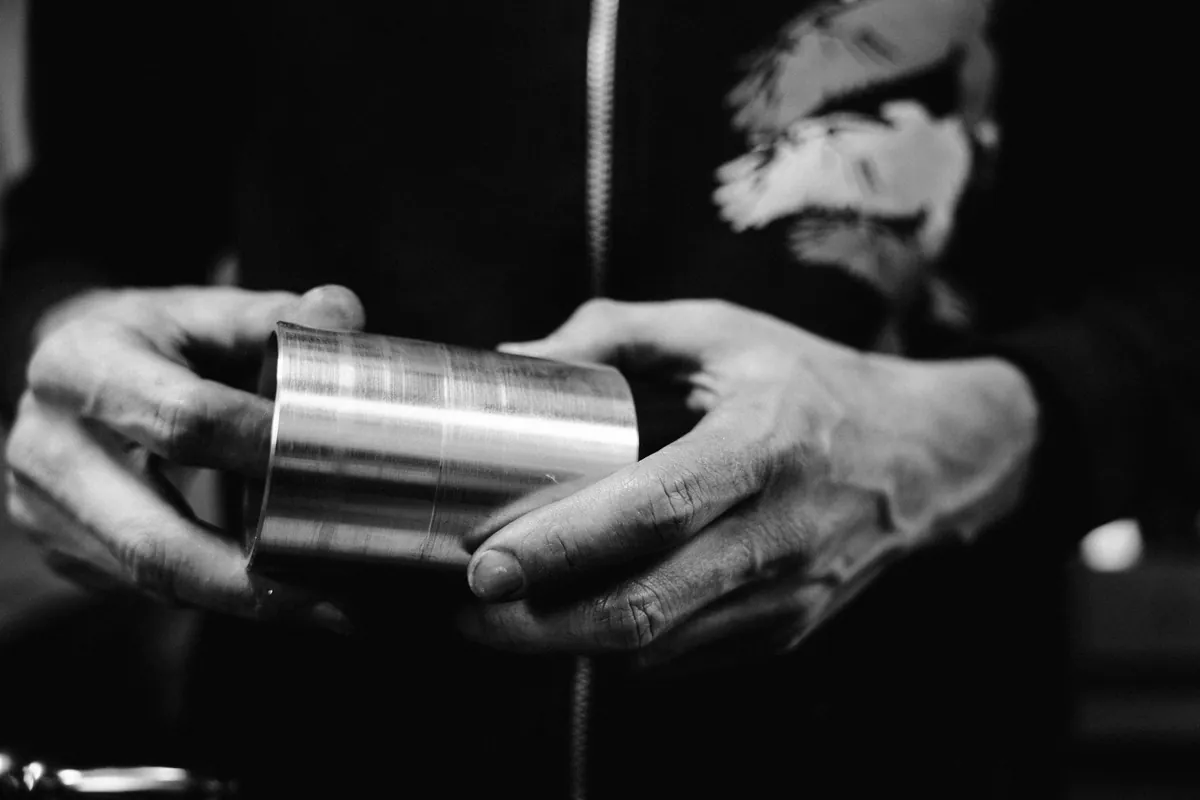
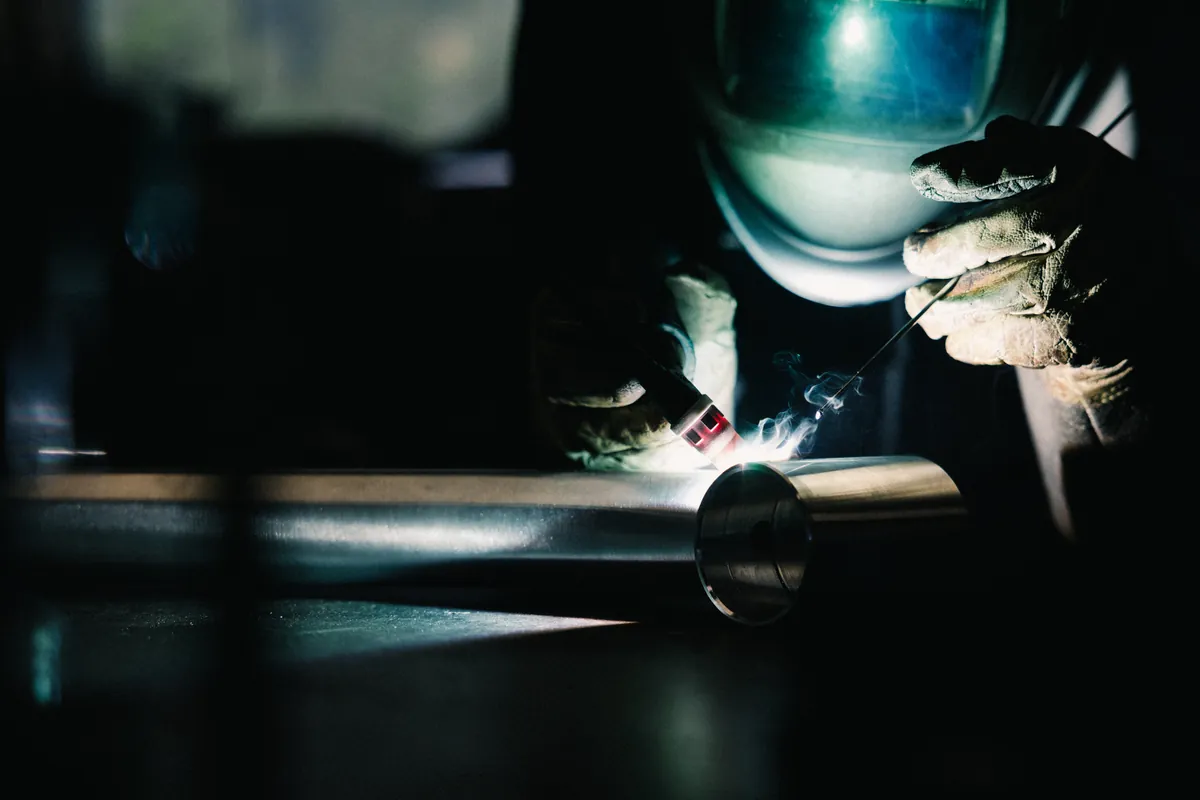
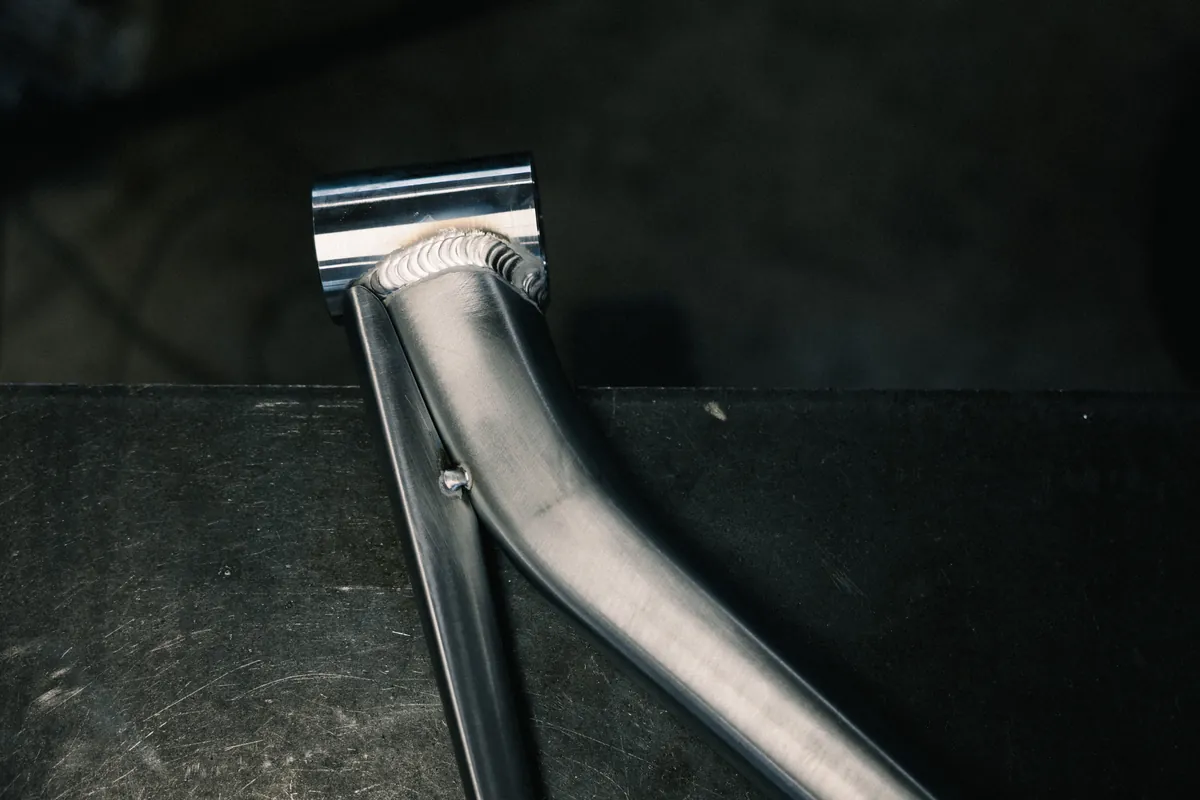
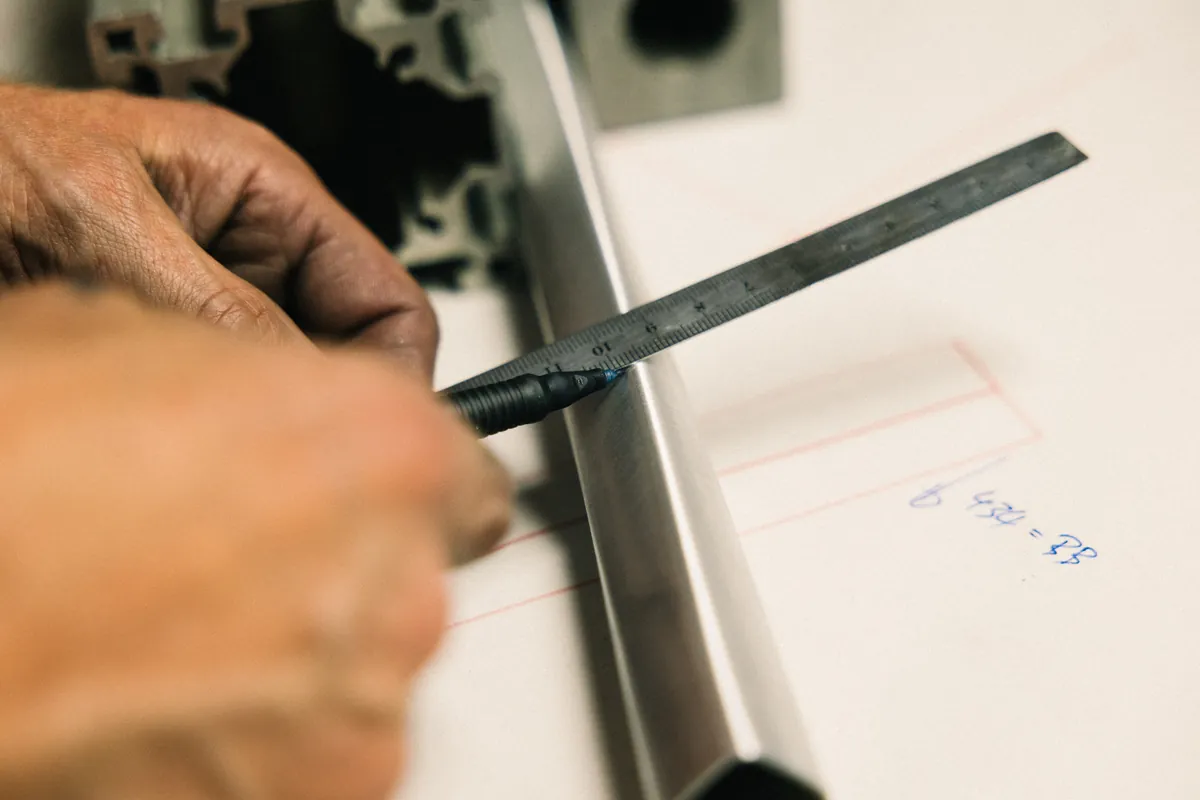
We don't just produce mass-produced bikes here. We build, test, and modify right on-site—in Switzerland, where the distance between the idea, the design, and the finished prototype is short. That’s why the first frame isn’t the result of the development process. It’s the starting point.
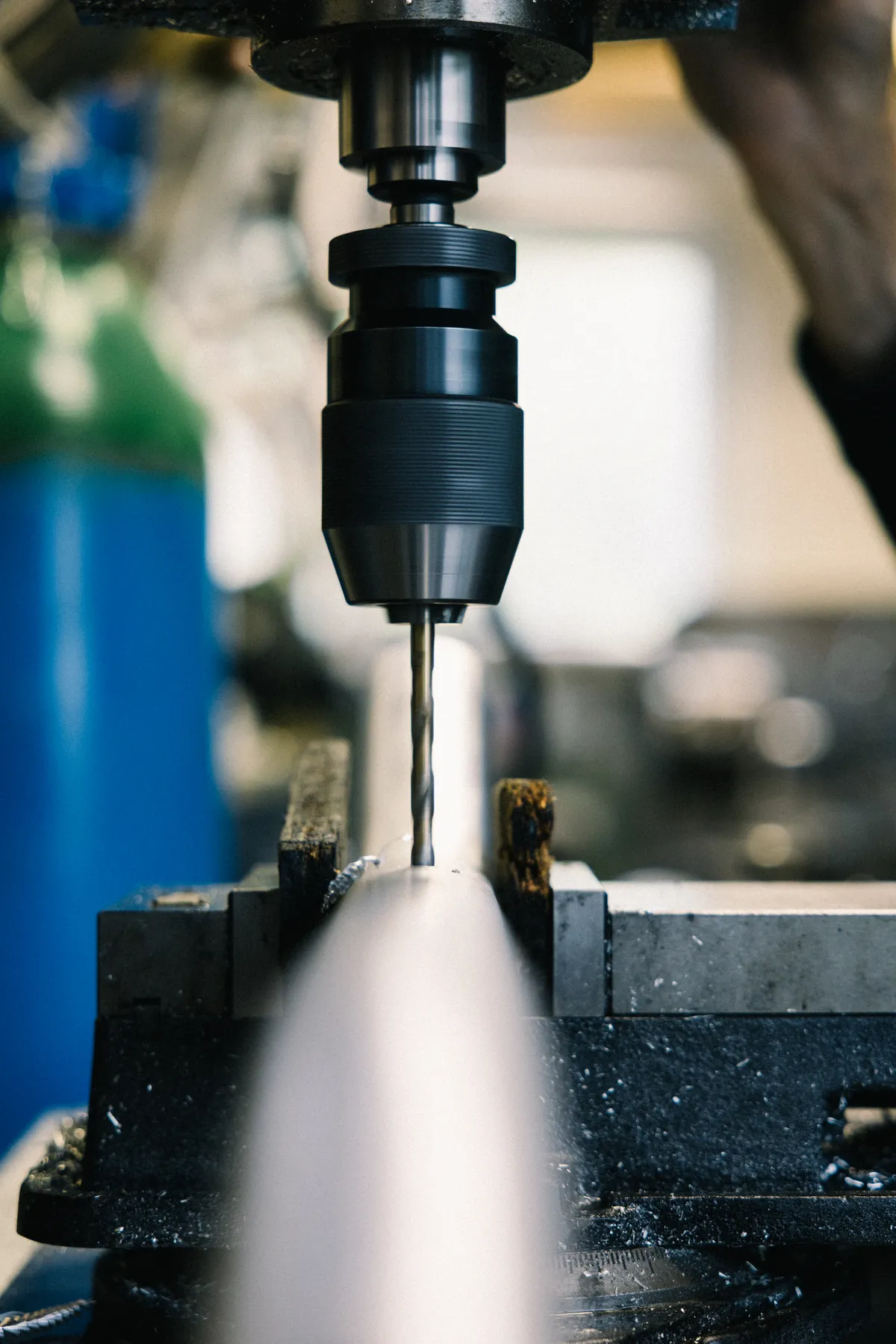
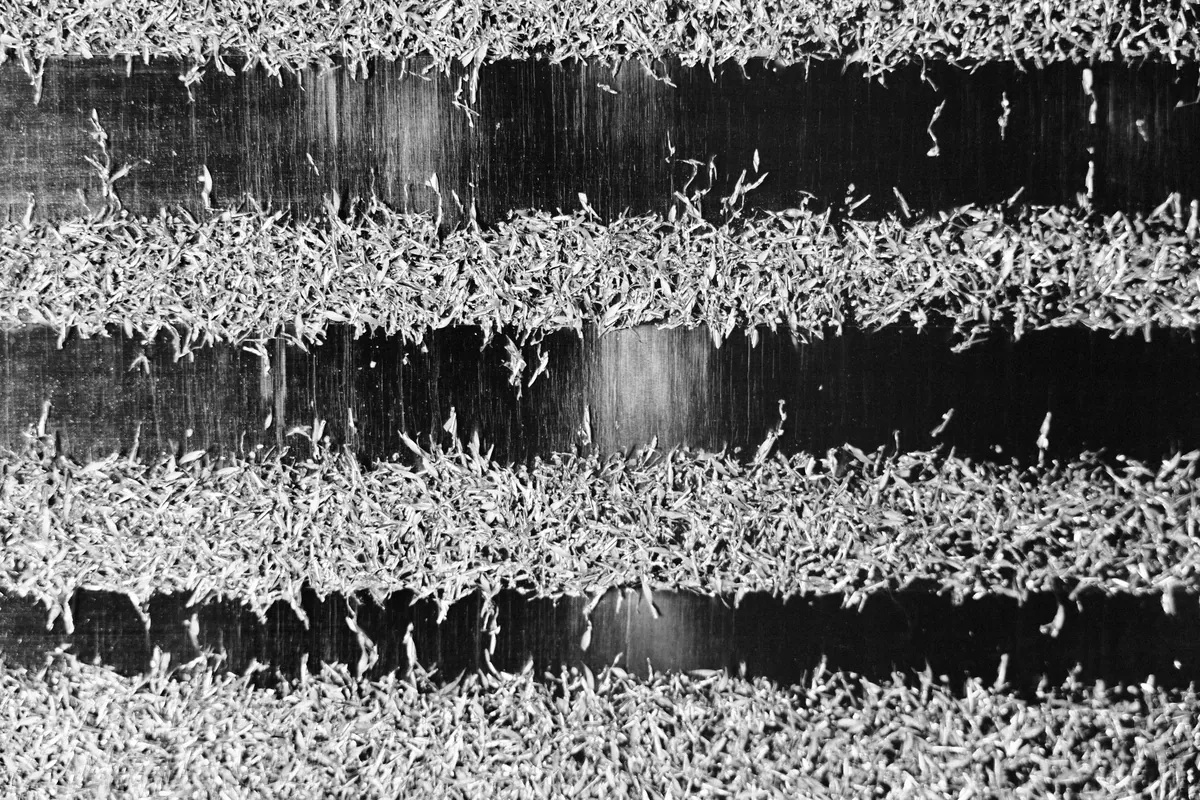
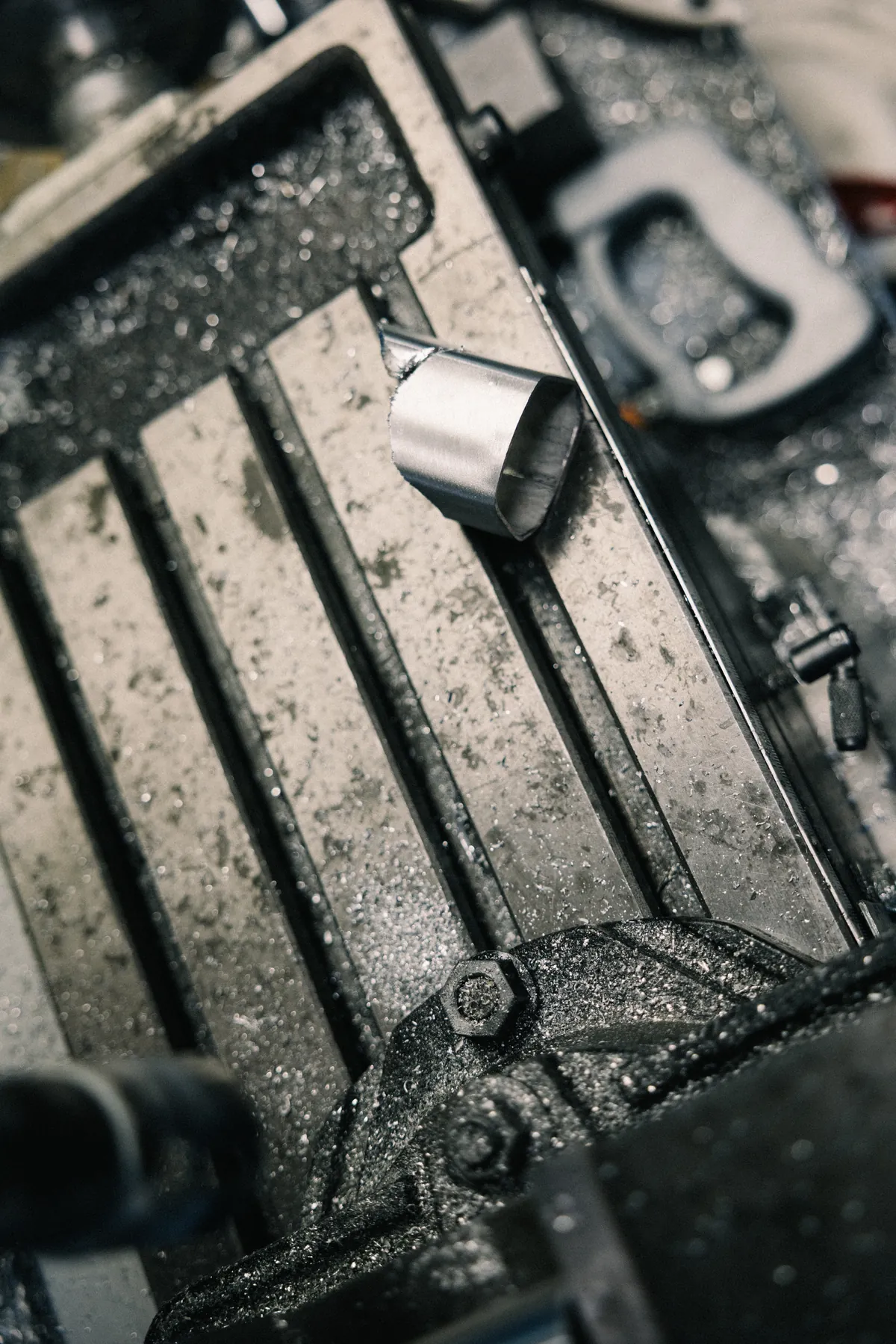
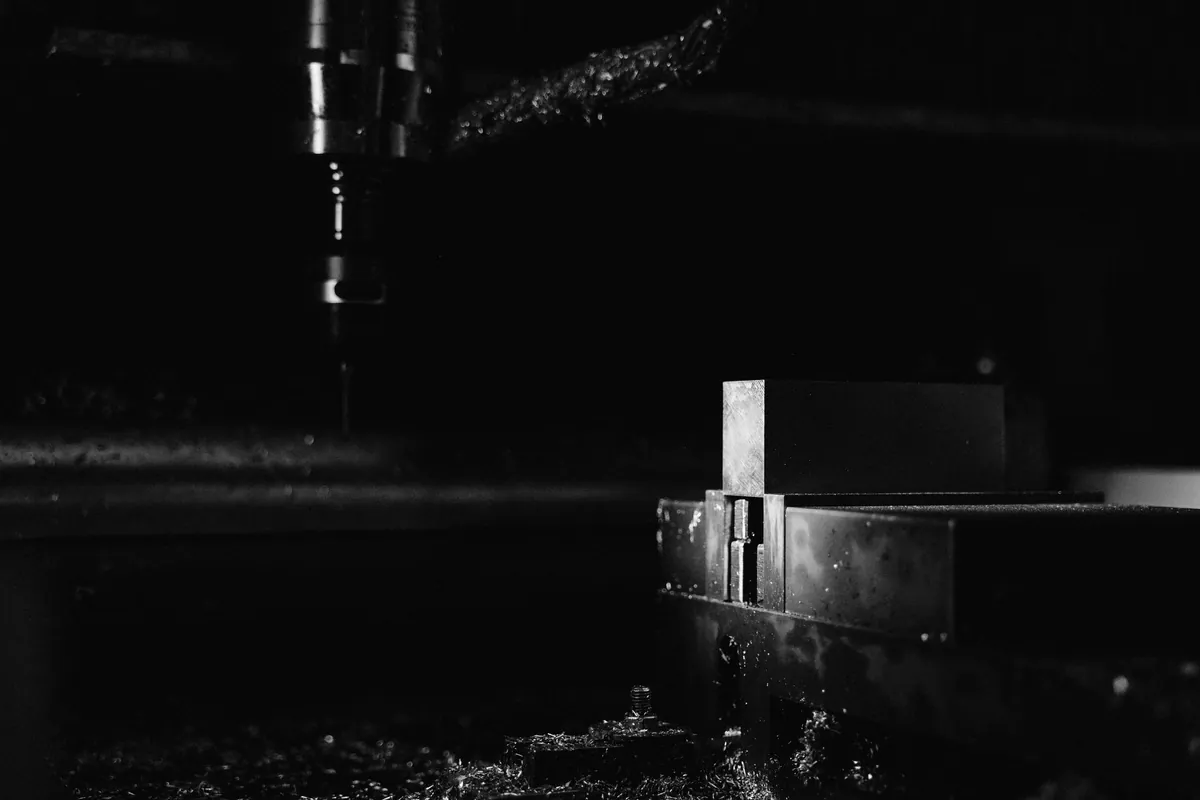
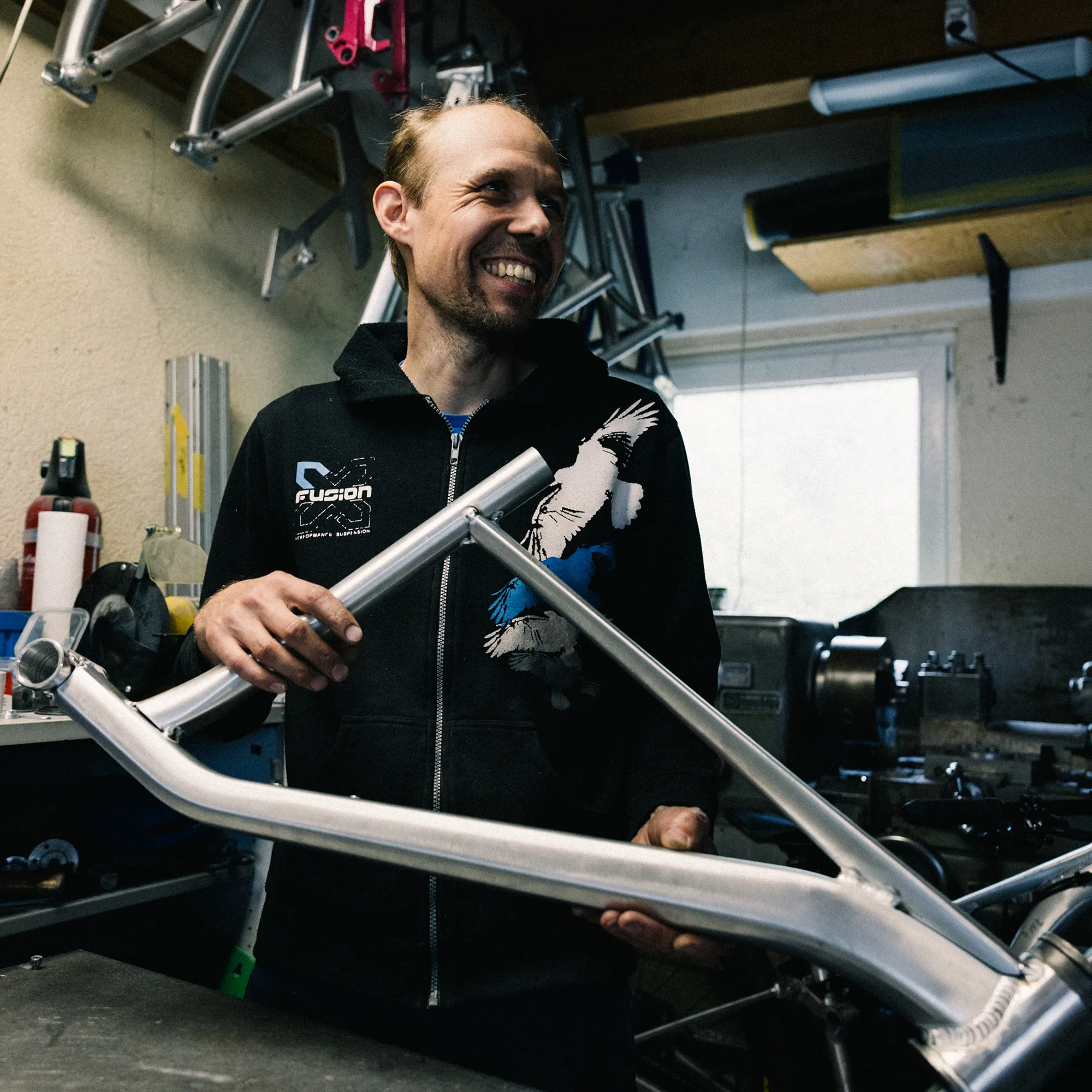
«Coming up with new ideas with BIXS is a lot of fun. If the bikes end up competing in the World Cup one day, it’ll be an indescribable feeling.»
Björn Aeschlimann | Dead Rabbit
Available in a limited edition.
This project isn’t just about creating a new bike for the BIXS Race Team. The 32-inch carbon race bike will also be available to you as an exclusive limited edition. It’s a special part of our development process—one that you’ll be able to ride yourselves later on. We don’t know exactly when that will be yet—but we’ll take you along for the ride, step by step.
The first prototype.
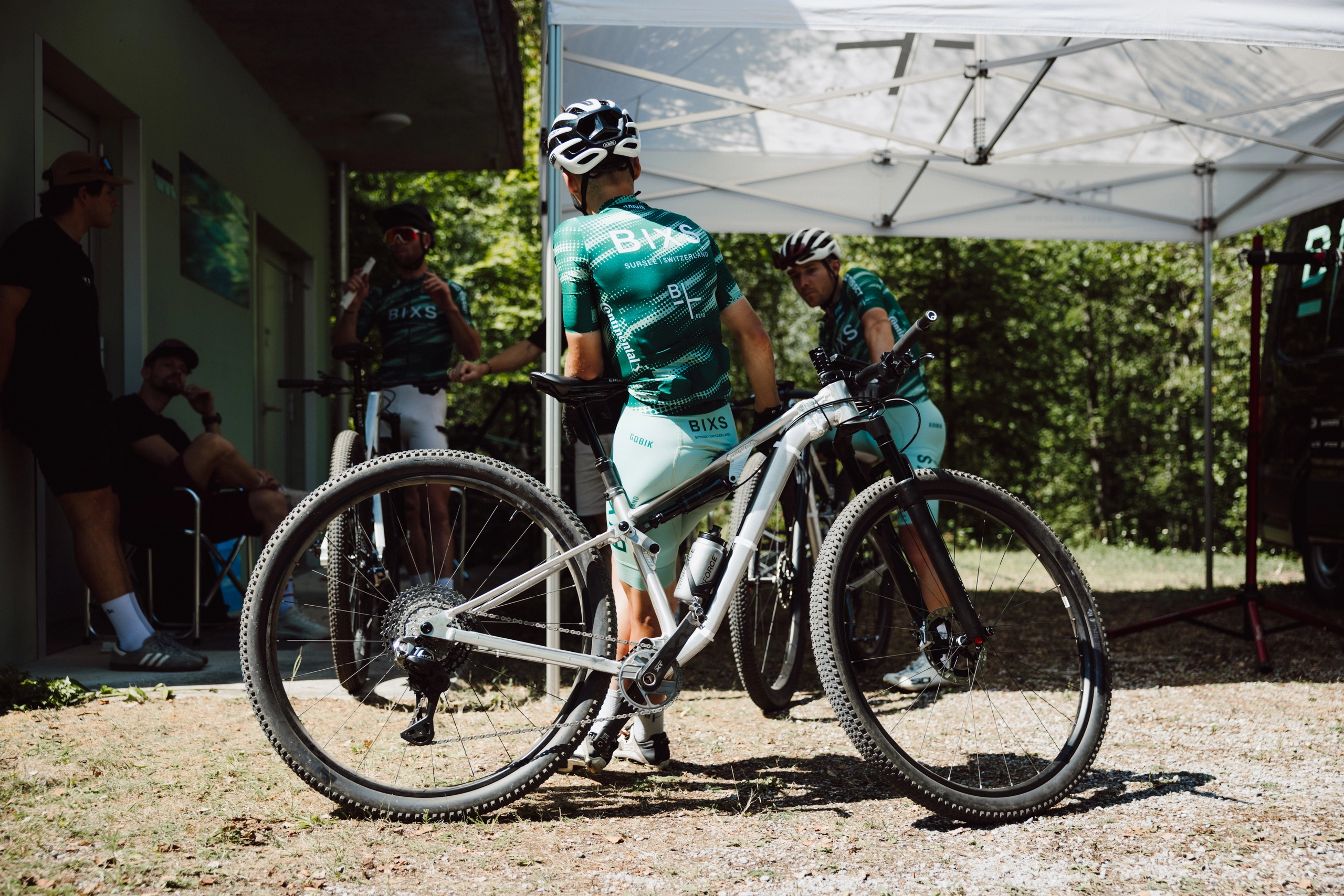
Initial concepts evolve into a concrete design. This leads to the first aluminum prototype – handcrafted in Switzerland. What was previously planned on a computer screen can now be built, ridden, and evaluated. But the first rideable prototype is not a finished product. It is the starting point for the actual development. Initial test rides reveal which assumptions hold true, where adjustments are needed, and which questions we need to answer next. With each stage of development, we modify the bike based on the insights we’ve gained.
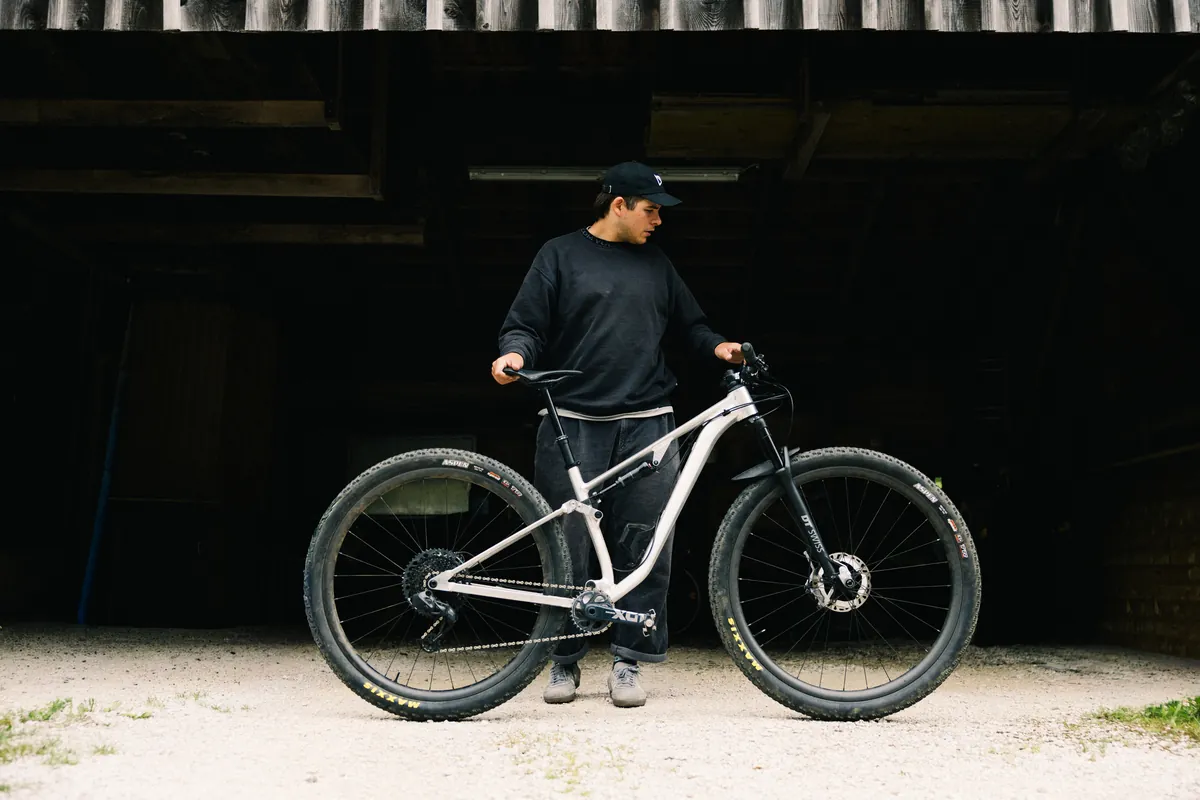
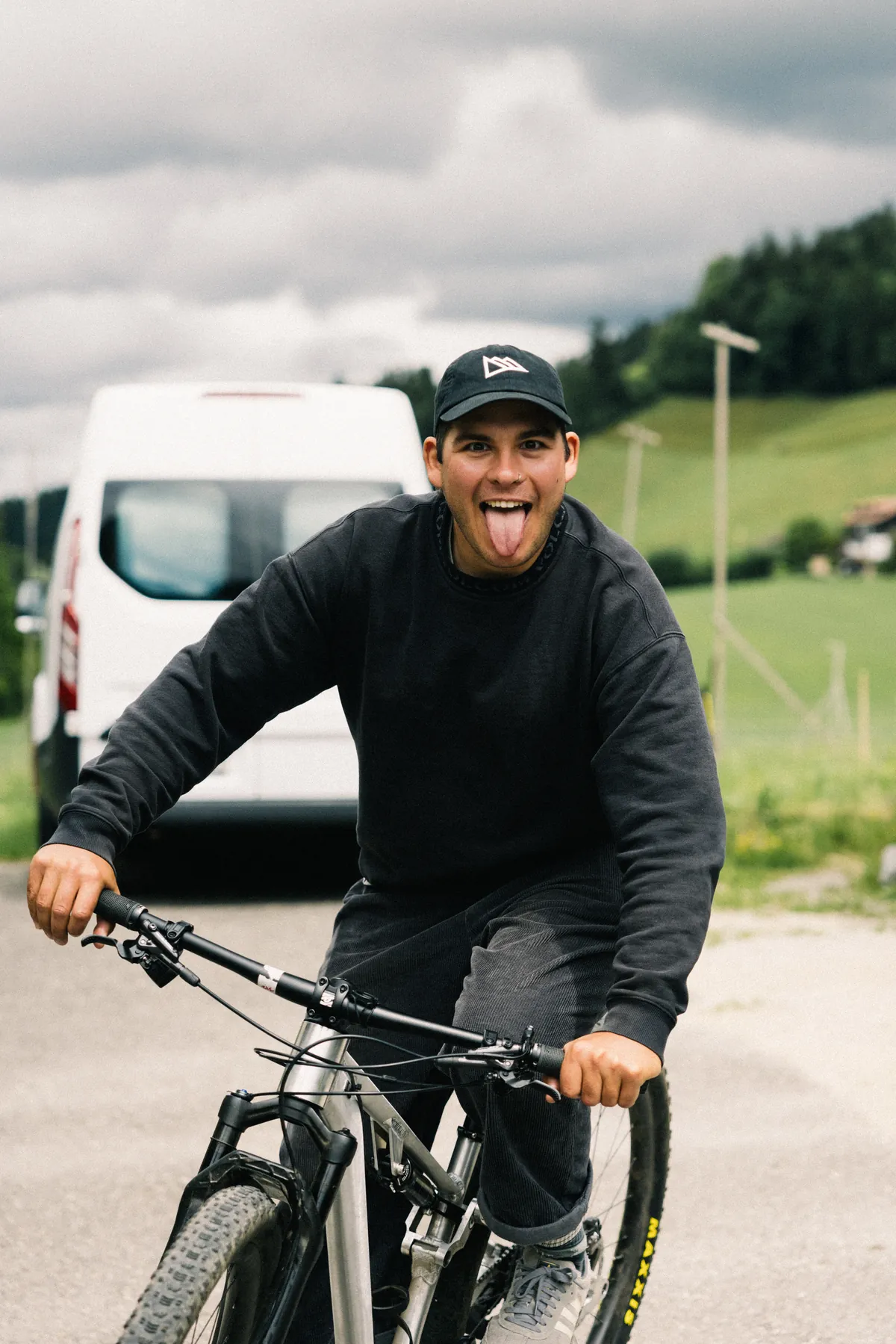
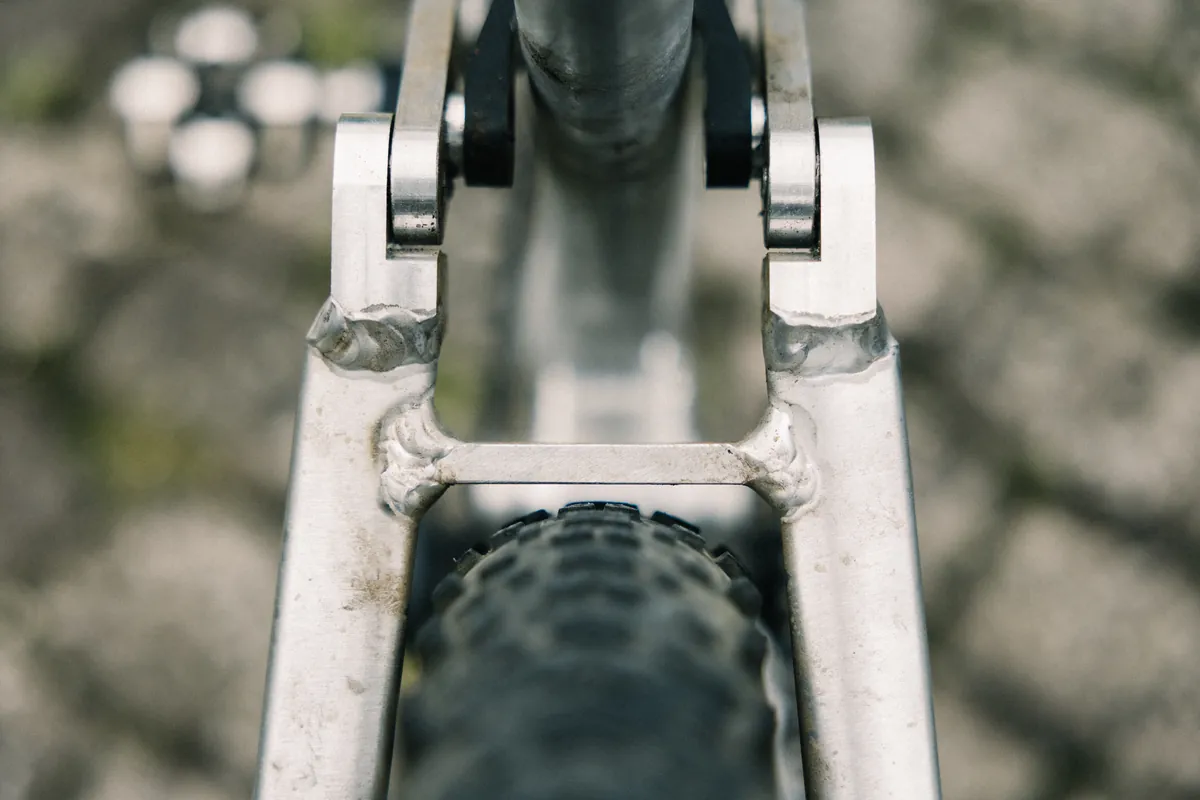
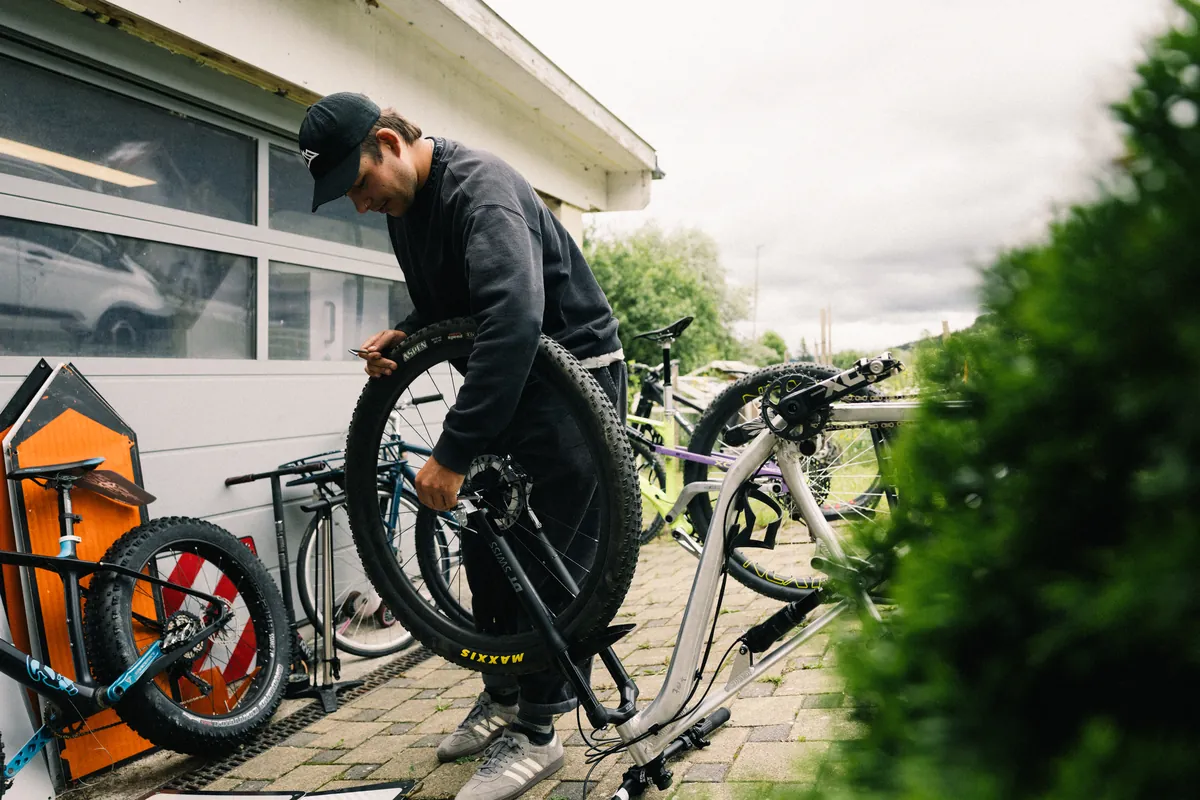
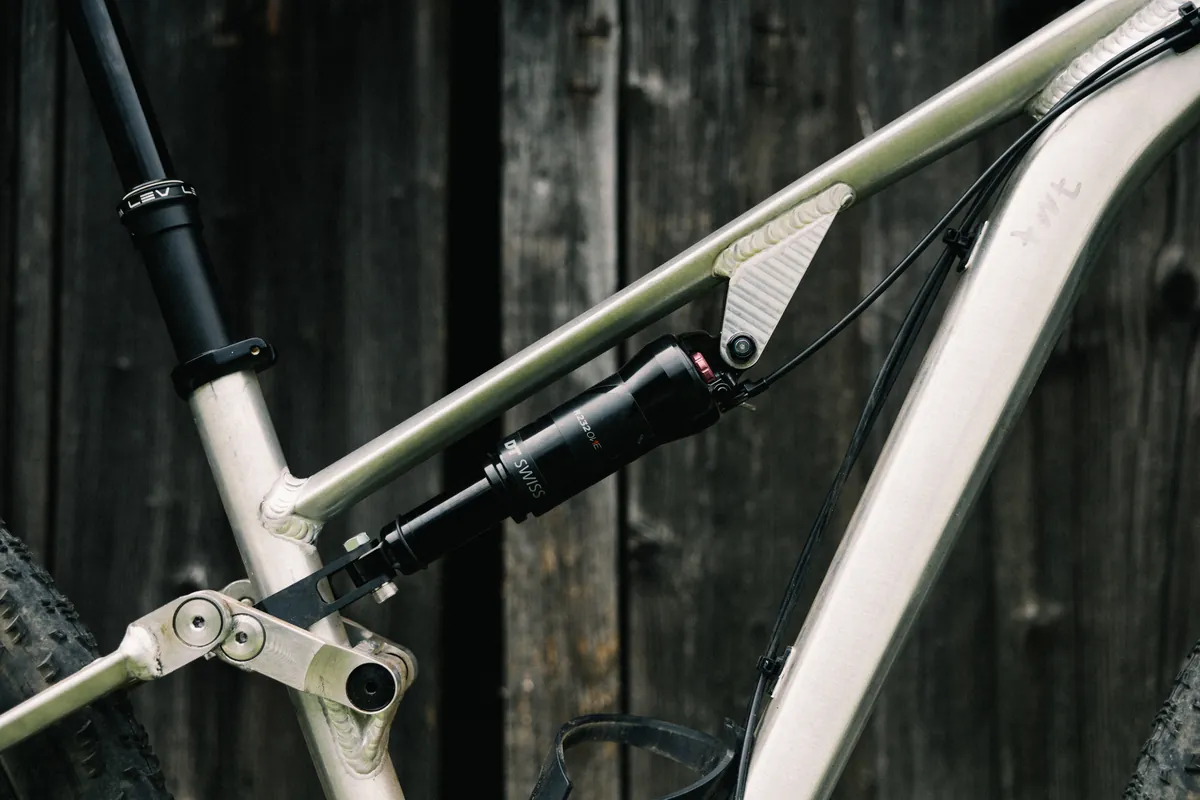
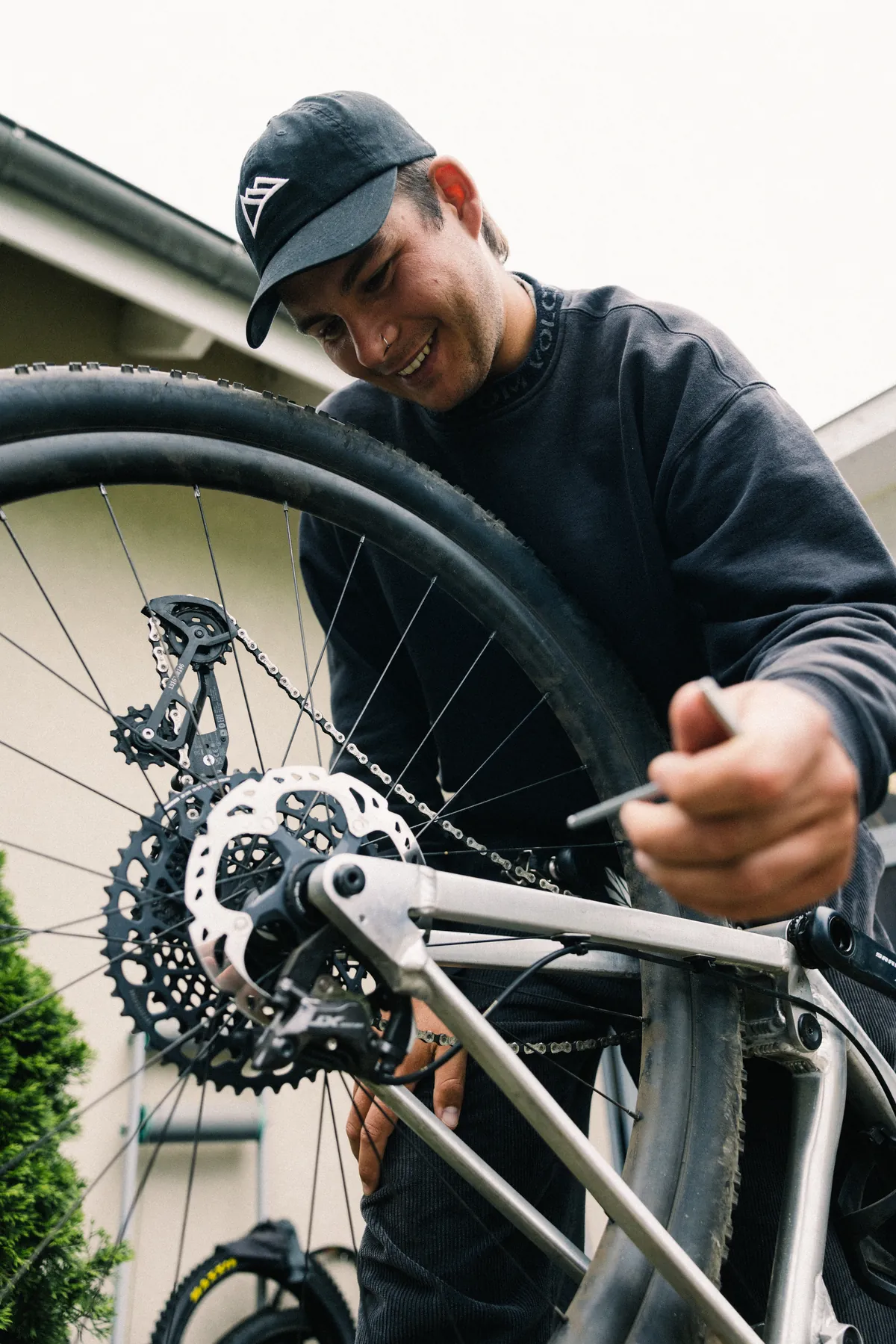
Not everything that makes sense on paper actually works that way in practice.
For V1.0, we wanted to maintain the caster angle of the existing 29-inch bike as much as possible, so we set the steering angle steeper. On paper, this was a reasonable assumption. Off-road, however, it quickly became clear that the feel wasn’t right. After the first test rides, it became clear that a 32-inch bike couldn’t simply be developed based on the parameters of our 29-inch bike. The larger wheel diameter changes the entire system—and thus also the requirements for the geometry. The result: We moved on to the next stage of development with a flatter steering angle.
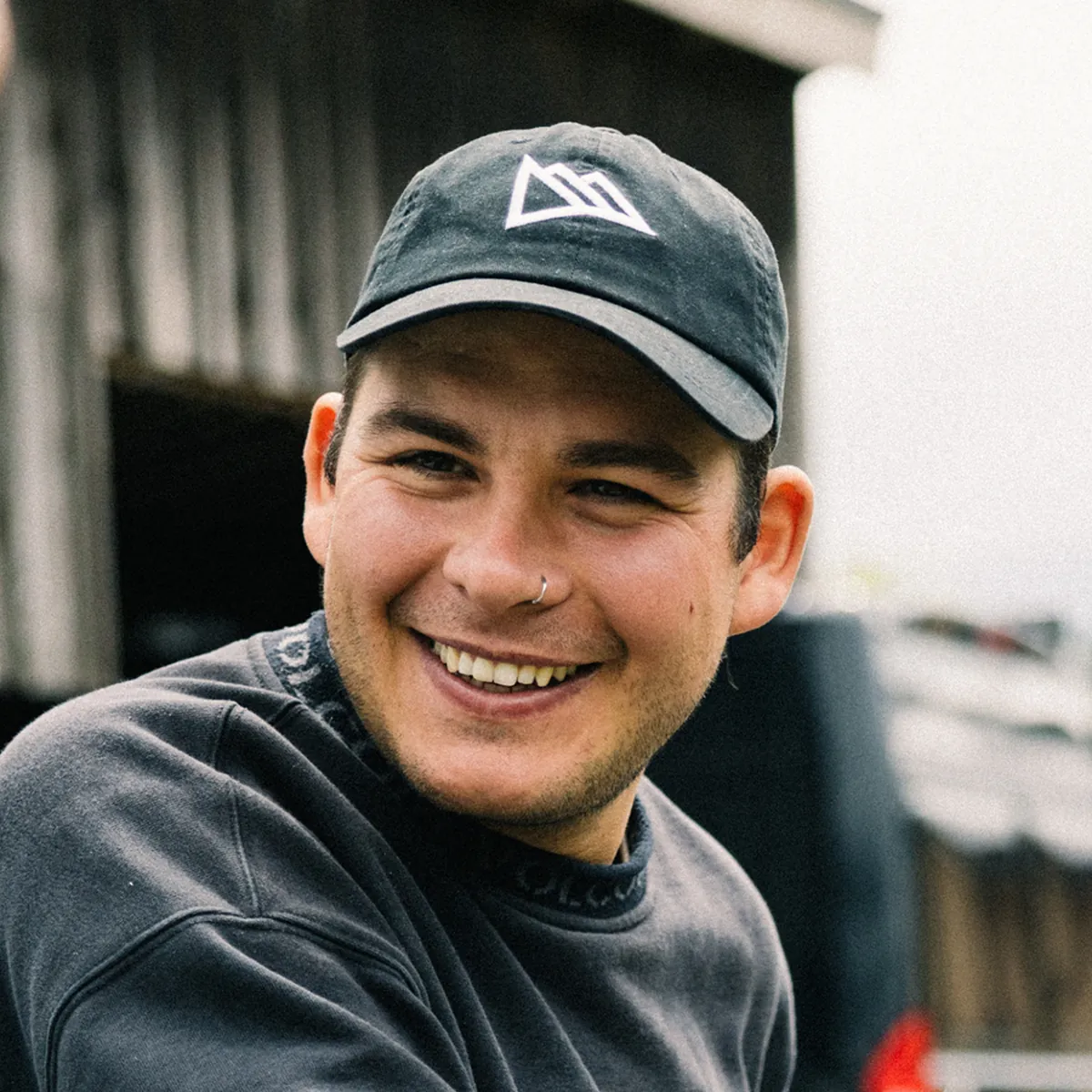
«We wanted to keep the caster angle the same as on the 29 model, so we made the steering angle steeper. That turned out to be a mistake.»
Basil Gugger | Engineer at BIXS
Still the benchmark.
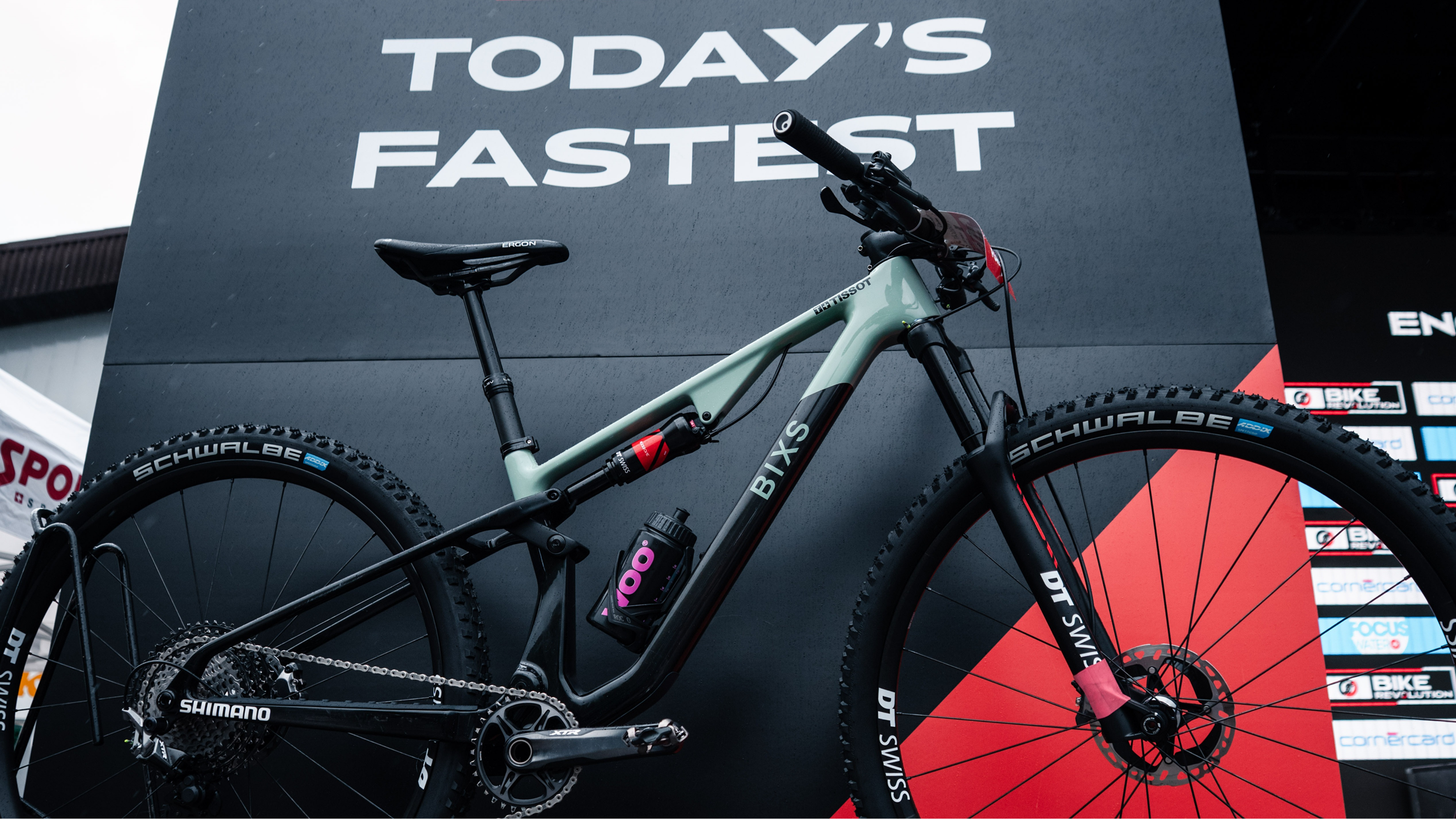
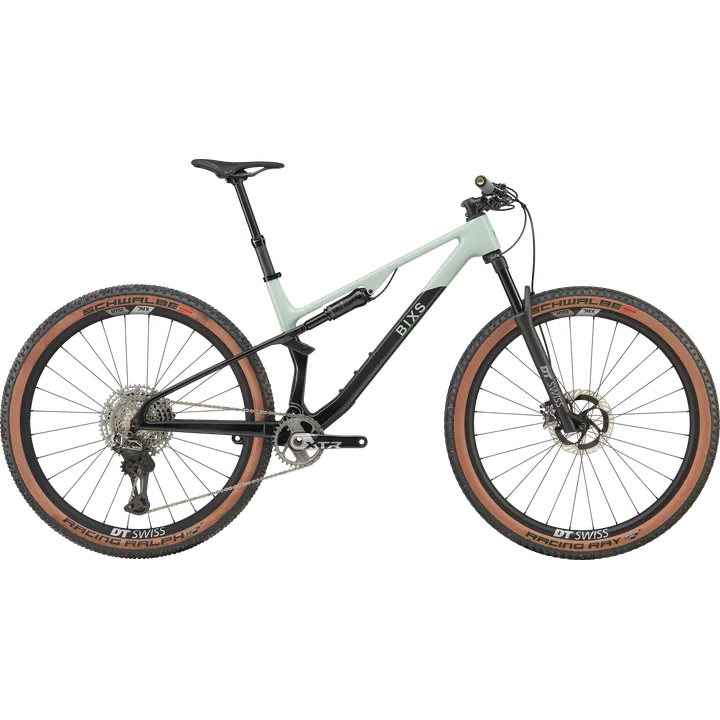
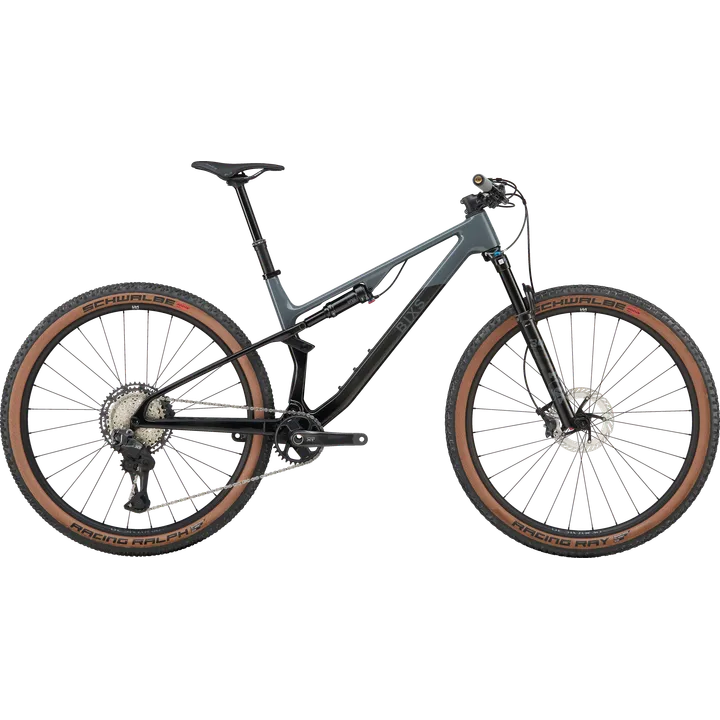
Tried and true, fast, and well-established in racing: The Pace remains our benchmark. The Pace 32-inch project does not call this foundation into question. It explores whether an additional platform could offer real added value for certain riders, tracks, or racing situations.
About the Pace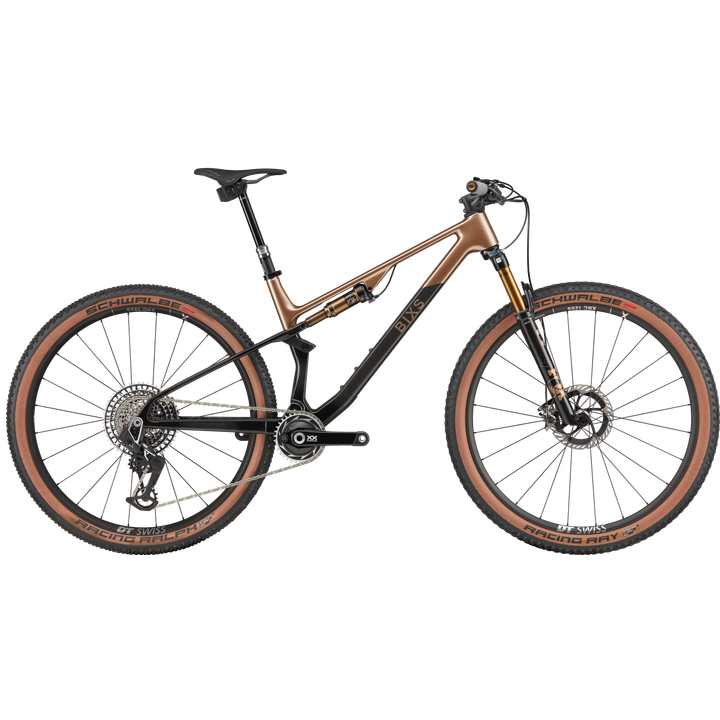
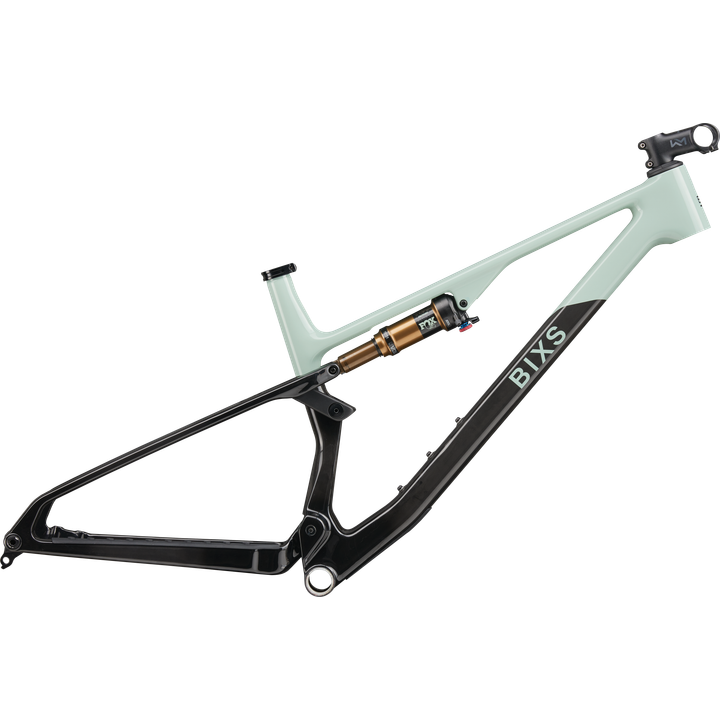
The People Behind the Project.
Together, they combine technical expertise, practical experience from the world of racing, and transparent communication. Step by step, this gives rise to a rideable concept whose development—from the initial idea to its use on the trail—can be fully traced.
Basil Gugger
Engineer at BIXS
Development + Engineering
Björn Aeschlimann
Owner of Dead Rabbit
Aluminum Prototyping
Chris Evers
Brand Manager at BIXS
Communication + Project Management
Basil Gugger is in charge of engineering and works with the BIXS Race Team to continuously refine the prototypes.
Björn Aeschlimann of Dead Rabbit turns the design concepts into handcrafted aluminum prototypes—manufactured in Switzerland.
Chris Evers handles communications for the project, documents the development phases, and provides insights into the creation process.
What's next?
With the first prototype, development has really gotten underway. In the next few chapters, we'll show you how the project is progressing: what changes we're making, what feedback we're getting from test drivers, and what insights we're gaining from it all.
Tags:
Pace 32BIXS News + Stories
Racing successes, athlete portraits and adventures on two wheels—discover the latest stories from the world of BIXS.